
Grade reference
5052 aluminium — formable, weldable, corrosion resistant.
The magnesium alloy that sheet-metal shops reach for. Not heat treatable; strength comes from work hardening, which is why it is specified by H temper rather than T.
- Alloy system
- Al-Mg (5000 series)
- Heat treatable
- No — work hardened
- Density
- 2.68 g/cm³
- Forms we hold
- Sheet, flat rolled coil
What 5052 is
Excellent formability and marine corrosion resistance, good weldability, poor machinability.
Properties in practice
- Formability. Excellent — holds tight bend radii without cracking in H32 and O
- Corrosion resistance. Very good, including marine and industrial atmospheres
- Weldability. Very good by TIG and MIG, usually with 5356 filler
- Strength. Good for a non-heat-treatable alloy; gains strength as it is worked
- Machinability. Poor — gummy; not a bar-turning alloy
- Anodising. Takes a clear coating well; colour matching across batches is harder
Where it is used
- Formed enclosures, cabinets and electrical panels
- Marine hulls, superstructure and deck fittings
- Fuel and water tanks, pressure vessel components
- Roofing, cladding and rainwater goods
- Truck, bus and trailer panels
- Chemical and food plant sheet work
Nominal composition
Magnesium 2.2 – 2.8 % · Chromium 0.15 – 0.35 % · Iron 0.40 % max · Aluminium Balance
Figures on this page are indicative typical values for comparison only. The mill test certificate supplied with your consignment is the governing document.
Tempers
5052 tempers and typical properties.
Indicative values for comparing tempers. Figures move with product form and thickness, and the mill test certificate governs.
| Temper | Tensile, MPa | Yield, MPa | Elongation, % | Condition and usual use |
|---|---|---|---|---|
5052-H32 | ~228 | ~193 | ~12 | Strain hardened and stabilised, quarter hard. The default for formed sheet and enclosures. |
5052-H34 | ~262 | ~214 | ~10 | Half hard. Stiffer panels where the bend radius is generous. |
5052-O | ~195 | ~90 | ~25 | Annealed. For deep forming and tight radii, where maximum ductility is needed. |
Figures on this page are indicative typical values for comparison only. The mill test certificate supplied with your consignment is the governing document.
Forms
How we supply 5052.
Cut to size, cut to length or slit to width before dispatch, so the first operation on your floor is the one that adds value.
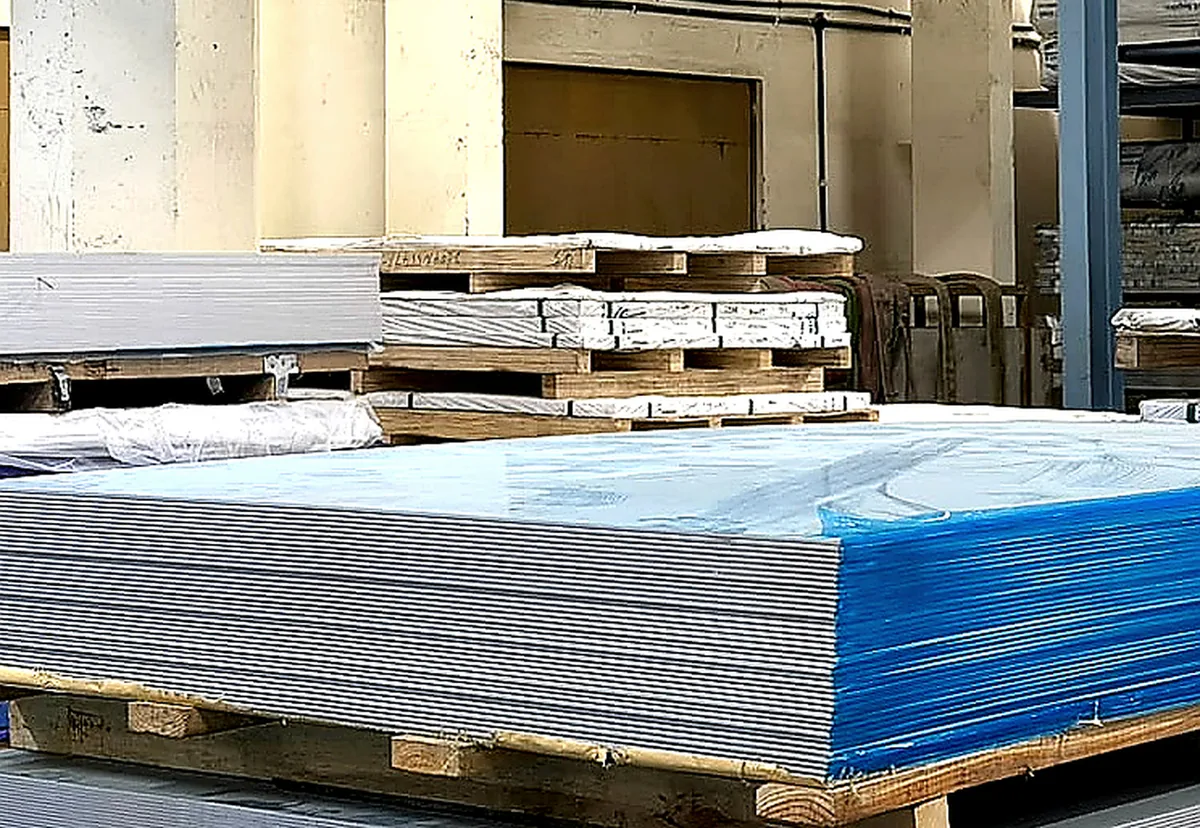
Available asSheets
Thin-gauge sheet for panels, enclosures and general sheet-metal work.
View details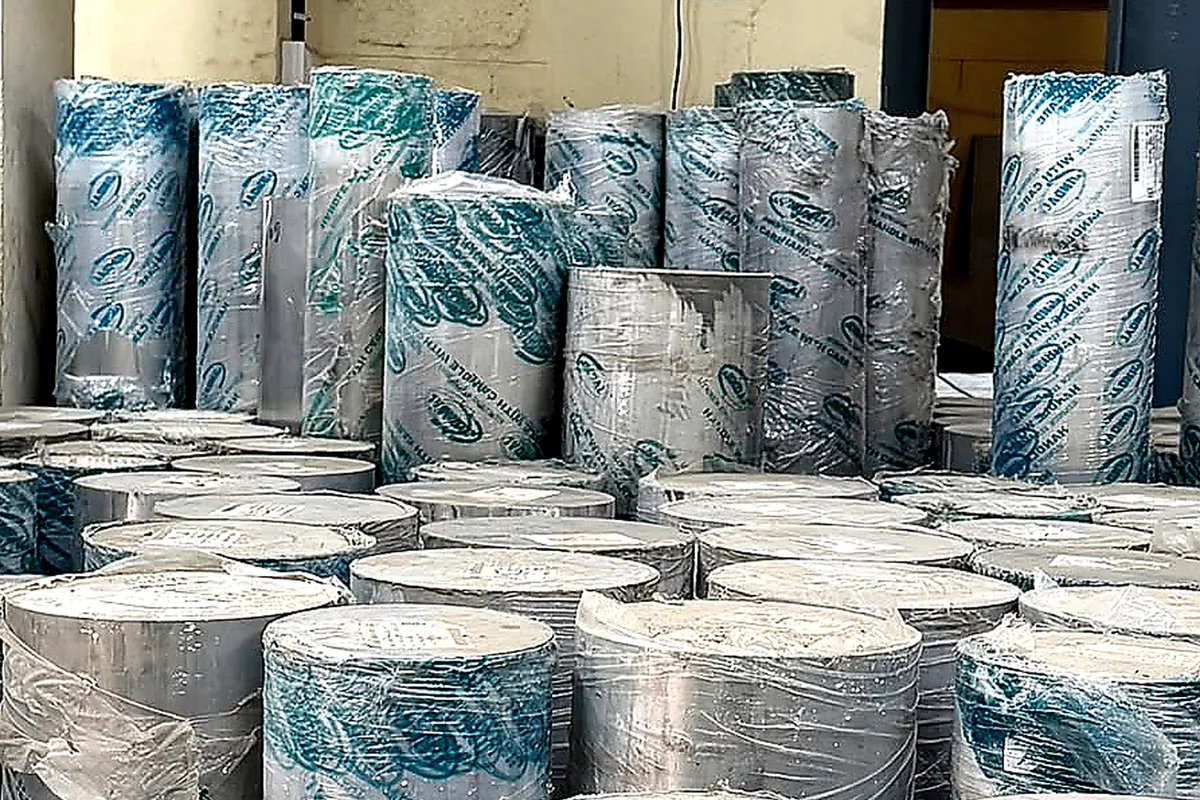 Available as
Flat rolls
Flat rolled coil for roofing, cladding, ducting, composite panel and downstream forming.
View detailsComparing grades?
Before you order
5052: what buyers ask.
Grade questions are the ones worth asking before the order, not after.
What does H32 mean on 5052 sheet?
H32 is strain hardened to a quarter-hard condition and then thermally stabilised. 5052 is not heat treatable, so its strength comes from working rather than from a T temper, and the H number tells you how far it has been worked.
Is 5052 suitable for marine use?
Yes — it is one of the standard marine sheet alloys and resists salt-laden air and water well. For heavier structural marine work, 5083 is the usual step up; ask and we will quote both.
Can 5052 be machined?
It can be, but it machines poorly — it is soft and gummy, and tool life and surface finish both suffer. For turned and milled parts use 6061 instead.
Which temper should I order for tight bends?
H32 covers most formed panel work. For very tight radii or deep forming, ask for O (annealed). Tell us the bend radius and material thickness and we will recommend a temper.